

Guide
Relighting Architectural Renders: Why Time of Day Is a Design Decision
The same building at 8am and 8pm is two different arguments. Relighting lets you make both before the meeting.
5 min readRendervis
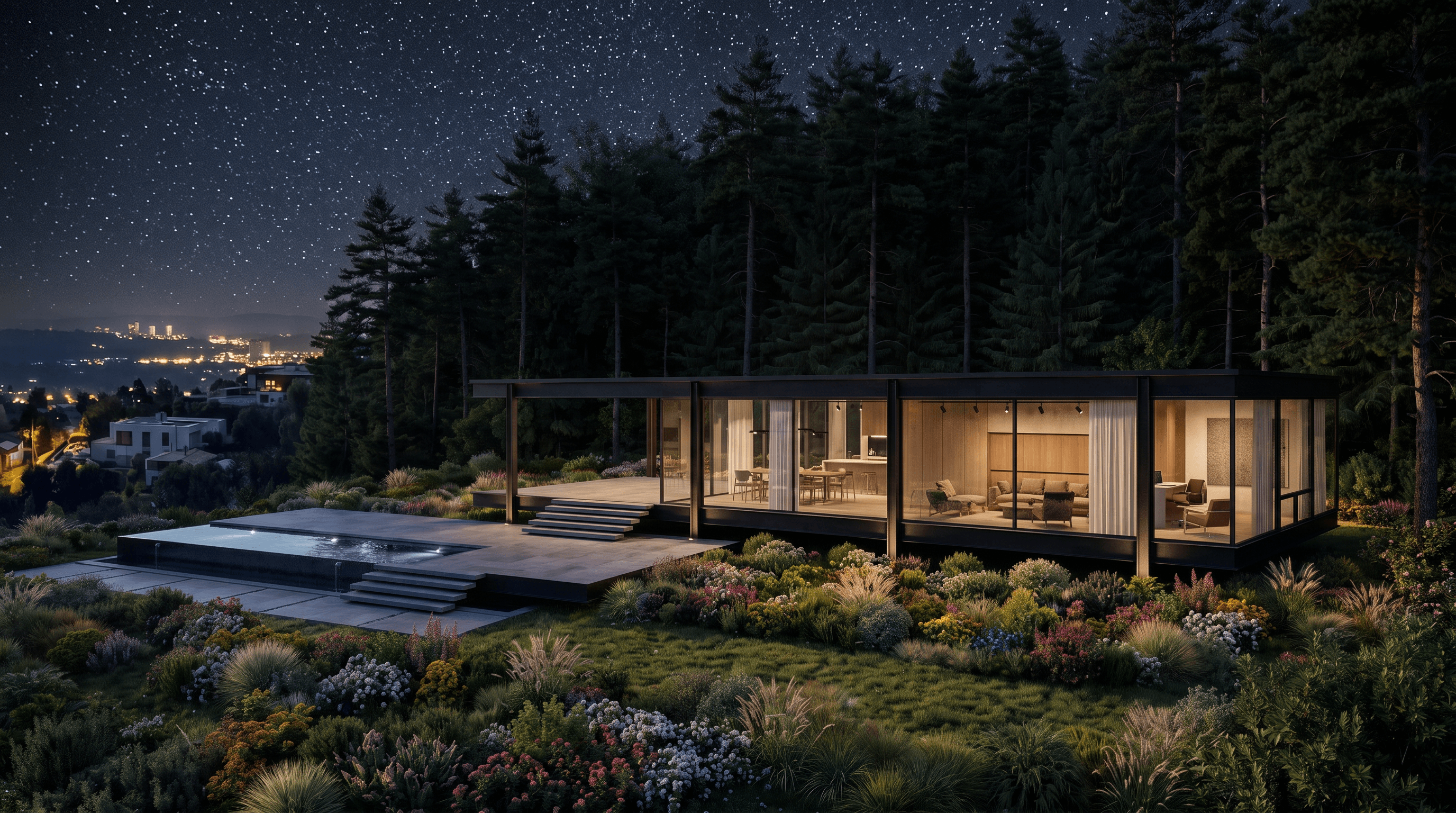
Most renders show a building at one arbitrary hour. This article looks at what gets lost when lighting is chosen by default, how different times of day answer different client questions, and how to build a small relighting set that actually supports a presentation.
Ask an architect what a room feels like and they will almost always answer with light. The low sun that reaches deep into the plan in winter. The blue hour when the interior starts to glow against the facade. The hard noon shadow that makes a reveal read as a line.
Yet most architectural renders are produced at exactly one time of day, and that time is usually chosen for a strange reason: it was the lighting setup that happened to be in the scene when the deadline arrived.
Relighting changes that. When you can take an existing render and see it at sunrise, noon, sunset, and night in seconds, time of day stops being a production constraint and becomes what it always should have been: a design decision.
The one-render problem
A single still at a single hour answers a single question. Usually it is the safest one: "does the building look good in pleasant afternoon light?"
But that is rarely the question the client is actually carrying into the meeting. Their questions sound more like:
- What does the entrance feel like when I come home after dark?
- Will the west terrace be usable in the evening, or will it be blinding?
- How does the facade read from the street at dusk, when most people pass it?
- Does the courtyard get real morning light, or only in theory?
A noon render answers none of these. And when a client cannot see the answer, they either stall the decision or imagine their own version, which is usually worse than anything you would have shown them.
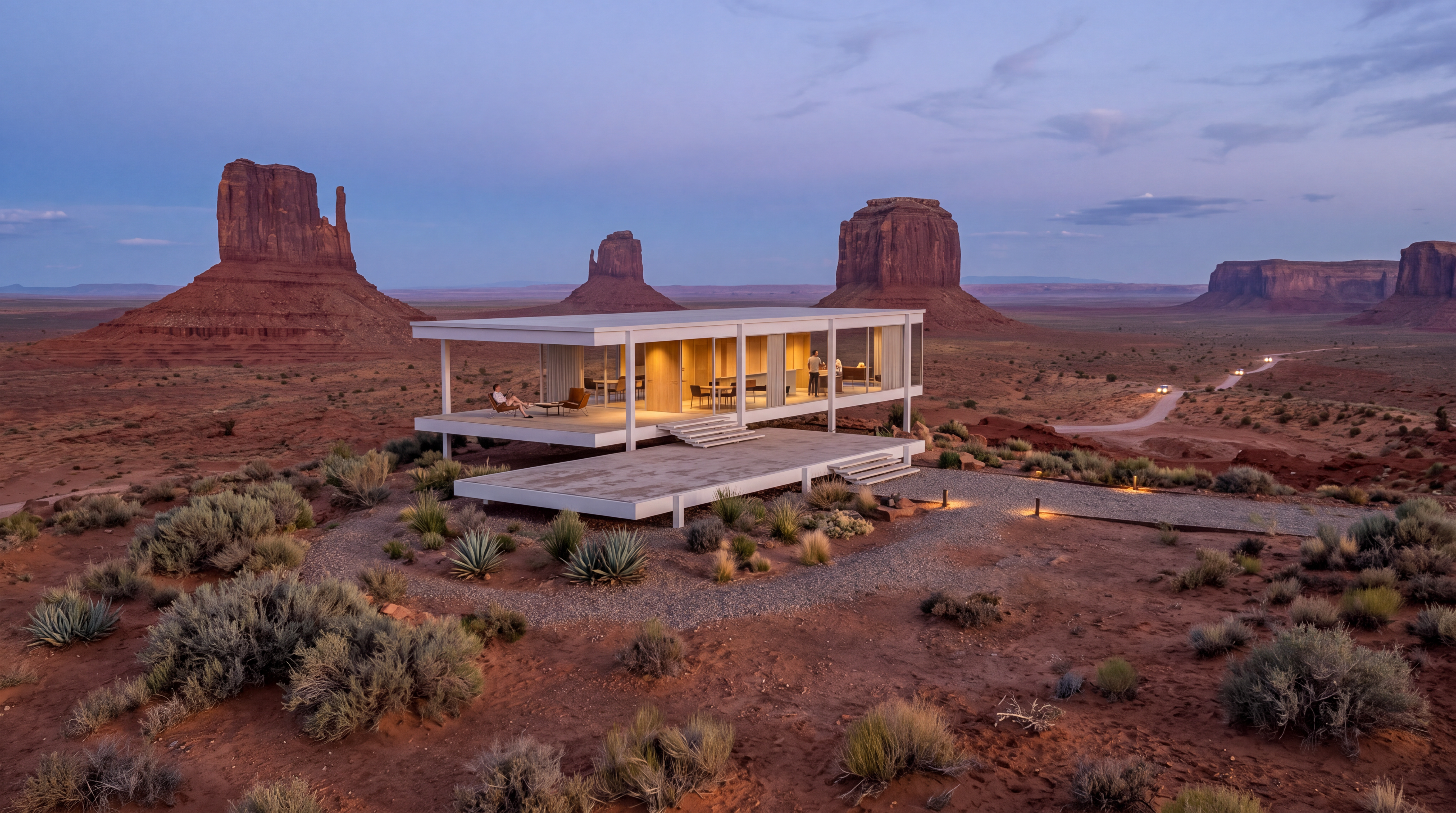
What each hour is actually for
Different lighting scenarios do different work in a presentation. It helps to think of them as tools rather than variations.
Sunrise
Sunrise light is long, warm, and directional. It is the best test of orientation decisions: which rooms actually receive the morning, how deep the light reaches, and whether the "east-facing bedroom" argument holds up visually. It is also emotionally persuasive for residential work, because mornings are when people imagine living in a space.
Noon
Noon is the honest hour. Shadows are short, materials show their true color, and geometry has nowhere to hide. If a proportion is off or a facade is flat, noon will say so. Use it internally as a design check even if it never makes the final deck.
Sunset
Sunset is the presentation hour, and not just because it is pretty. Low warm light gives materials their maximum texture: brick gets depth, corten glows, concrete stops being gray. If your design argument is about materiality, sunset is usually where the argument is won.
Night
Night renders flip the building inside out. Suddenly the lighting concept, the glazing, and the relationship between interior and street carry the image. For public buildings, hospitality, and anything with an active ground floor, the night view often communicates the project's role in the city better than any daytime still.
Relighting as a conversation, not a deliverable
The traditional problem with showing multiple lighting scenarios was cost. Each new hour meant a new render, and each render meant hours of setup and waiting. So lighting studies were something you did for competitions, not for a Tuesday client call.
When relighting an existing render takes seconds, the economics invert. In Rendervis you take the still you already have and relight it across sunrise, noon, sunset, night, or even an eclipse if you want to see the building in strange, flat light. The geometry, framing, and design stay fixed. Only the hour moves.
That changes how you use lighting in conversations:
- Instead of defending an orientation decision verbally, you show the morning.
- Instead of promising "the facade comes alive at dusk", you put dusk on the screen.
- Instead of one hero image, you present a building that exists across a whole day.
Clients respond differently to this. A single render is an image they judge. A building shown across a day is a place they start to inhabit.
Building a small relighting set that works
More is not better. A presentation with nine lighting variations reads as indecision. A useful relighting set is small and intentional:
- Pick one hero view. Relight the view that carries the project, not every view you have.
- Choose two or three hours that answer real questions. If the client worries about evening use, show sunset and night. If the argument is about daylight in the plan, show sunrise and noon.
- Keep everything else fixed. Same camera, same materials, same crop. The only variable should be light, so the comparison stays clean.
- Lead with the strongest hour, close with the most honest one. Open the emotional door, then show you have nothing to hide.
Conclusion
Light is the first thing architects design and usually the last thing clients get to see. Relighting closes that gap. When any render can become a sunrise, a dusk, or a night view in seconds, you stop presenting an image and start presenting a day in the life of the building.
If you have a render sitting in a project folder right now, relight it and see which hour your building was waiting for.
FAQ
Do I need to re-render my scene to change the time of day?
No. Relighting in Rendervis works on the render you already have. You upload the still, choose a lighting scenario like sunrise, noon, sunset, or night, and get the relit version in seconds without touching the original scene or model.
Will relighting change my design or materials?
The goal of relighting is to keep the architecture fixed and move only the light. Geometry, framing, and material choices stay as they are; what changes is the sun position, color temperature, and how interior lighting reads against the sky.
Which time of day should I show clients first?
Lead with the hour that supports your strongest argument. For material-driven designs that is usually sunset. For projects where daylight and orientation matter most, open with morning light. Keep noon in reserve as the honest check.
Can I relight interior views as well?
Yes. Interiors often benefit the most, because the relationship between daylight and artificial light is what makes a room feel real. A living room at noon and the same room at blue hour tell two very different stories.
Bring your vision to life.